
Energy efficient wooden windows
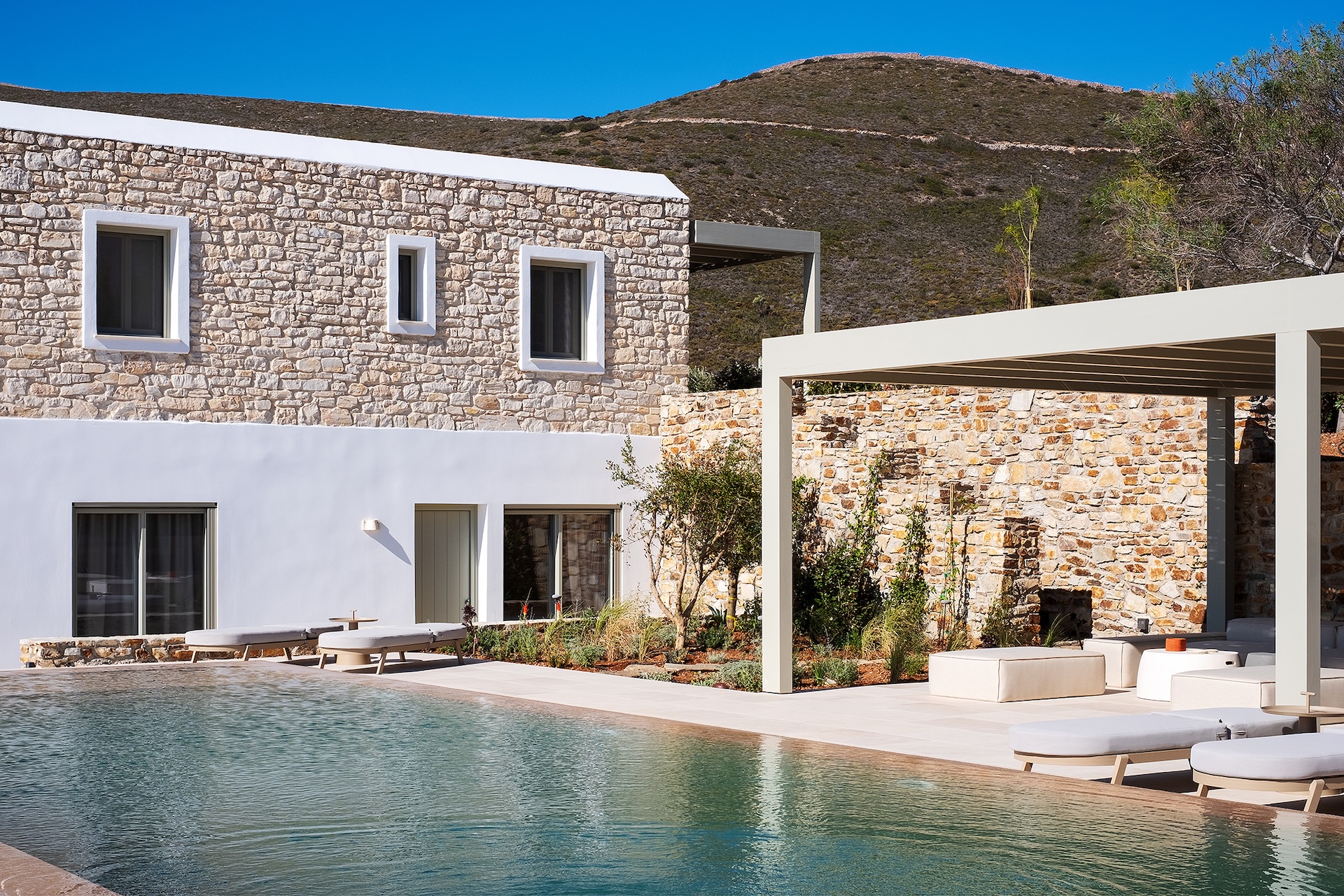
When a home has the right orientation, quality materials, and considered architecture, the window frame is not a secondary detail. It is the point where thermal insulation, the sense of comfort, acoustic protection, and to a large extent the overall appearance of the project are determined. This is why energy-efficient wooden windows are not chosen solely on aesthetic criteria or on price alone. They are chosen as a structural element of high importance, with a direct impact on daily use and the long-term value of the property.
What “energy-efficient” really means in wooden windows
The term is often used loosely, but in practice energy performance is not a single property. It results from the combination of the wooden profile, the glazing unit, the hardware, the weathersealing, and of course correct installation. A frame may have quality timber, but if it falls short in joinery or airtightness, the final result will not meet expectations.
In wooden windows, the material itself makes a meaningful contribution to thermal insulation behavior. Wood is by nature a material with very good thermal properties, which is why it remains a timelessly strong choice in high-demand residences. However, real performance depends on how the system as a whole has been engineered and built.
Why energy-efficient wooden windows remain a premium choice
There are solutions that simply meet a basic need, and there are solutions that substantially upgrade a building. Energy-efficient wooden windows clearly belong to the second category. They are not aimed at those seeking the lowest initial cost, but at those who evaluate the outcome over time.
This is the case for three reasons. The first is their energy behavior, which contributes to more stable interior conditions in both winter and summer. The second is their aesthetic quality, as wood gives character, materiality, and architectural coherence that is difficult to replace. The third is the capacity for customization — in dimensions, typologies, and finishing details — which is especially critical in high-value residences, boutique hospitality projects, or restoration work.
The technical elements that determine performance
Timber thickness and quality
The quality of the timber affects not only appearance but also the stability of the frame. Properly selected and processed timber performs better under fluctuations in temperature and humidity, which is critical for long-term operation. The quality of the raw material is one of the areas where the difference between a hasty solution and a high-specification construction is immediately apparent.
Energy glazing units
In most projects, the glazing unit is just as decisive as the frame. Double or triple energy glazing units, with appropriate coatings and the right composition, reduce heat loss and significantly improve the sense of comfort near the opening. There is no one-size-fits-all solution. A residence in a mountain area has different needs from a seaside home with intense sun exposure.
Weathersealing and hardware
A frame performs well when it remains stable, fits correctly, and maintains its airtightness over time. Sealing gaskets, tilt-and-turn or sliding mechanisms, and overall manufacturing precision play a far greater role than is often accounted for. Thermal insulation is not just about the theoretical value of a system, but about how it behaves in practice — under wind, humidity, and repeated use.
Finishing and wood protection
In wooden window frames, finishing is not a superficial matter. It is part of their technical durability. Proper protection of the wood from solar radiation, moisture, and general environmental stress directly affects its lifespan and the preservation of its appearance. Especially given Greece’s climatic reality, this point requires serious expertise rather than standardized approaches.
Where they excel in practice
The first advantage is felt in the quality of the interior space. A properly engineered wooden energy frame reduces cold spots near openings and limits unwanted drafts. This translates into a more balanced microclimate and a better everyday living experience.
The second advantage is acoustic insulation. In urban centers, in residences close to busy roads, or in hotel applications, acoustic comfort is not a luxury — it is a basic quality criterion. The right combination of frame and glazing can make a meaningful difference.
The third concerns architectural integration. Wood works with natural materials such as stone, marble, metal, and plaster in a way that lends coherence and depth. In contemporary buildings it adds warmth without losing the rigorous character of the design. In traditional or listed buildings, it is often the only option that can stand respectfully alongside the original style.
In which projects is their value greatest
Not all projects have the same requirements. In a typical renovation with a strictly limited budget, the choice may be determined primarily by cost. In a single-family home, however, or in a high-specification country residence or a hospitality project where user experience and aesthetic identity are central concerns, the window frame must be treated as an investment.
That is where energy-efficient wooden window frames take on particular significance. They support the architectural intent, reinforce the energy behavior of the building envelope, and add value that remains visible and functional for years. The same applies to restoration projects, where the goal is not simply to replace an old element, but to preserve the character of the building with contemporary performance standards.
What to consider before making your choice
The right choice starts with the project itself. The location, orientation, sun exposure, humidity, wind, and architectural requirements all influence the appropriate solution. A frame that performs exceptionally well in an Athenian suburb does not automatically mean it is ideal for a mountain residence or an island property with intense salinity.
It also matters to examine the typology of the opening. Fixed, casement, tilt-and-turn, sliding, or complex custom constructions have different requirements in terms of hardware, weight, and weathersealing. The aesthetic result must be achieved without technical compromises that will become apparent later in use.
Equally critical is who takes responsibility for the manufacturing and installation. In high-demand window systems, installation is part of the product. Even an excellent frame can lose a significant portion of its performance if fitted without precision and full technical accountability.
Maintenance is not a drawback when the construction is right
The conversation around wood often ends up at maintenance. It is a real issue, but it needs proper perspective. Yes, wood is a natural material and requires care. However, in high-quality constructions — with the right timber, industrially controlled processing, and appropriate finishing — maintenance is entirely manageable and predictable.
The real question is not whether some care is required, but whether the system has been designed to maintain its performance and appearance over time. In premium residences and demanding projects, this logic matters more than simplifying the purchasing decision.
Value is judged in the whole, not in the individual element
A wooden window frame cannot be properly evaluated from a single sample photograph or a price per square metre. It is judged by the quality of the timber, the engineering of the system, the choice of glazing units, the operation of the hardware, the level of finishing, and the precision of the installation. When all of these come together correctly, the result is not simply a beautiful opening, but a structural element that serves the home every day.
This is also why companies with deep specialization in wood — such as HAUFEN® — approach the window frame as a complete technical and architectural application rather than a standardized product. In projects where quality must be demonstrated through use and not just presentation, this difference carries real weight.
If your choice concerns a property you want to perform well, retain its aesthetic value, and stand the test of time with consistency, then it is worth viewing window frames not as a procurement cost, but as a decision about construction quality with a daily impact.