
Wooden frames and thermal insulation
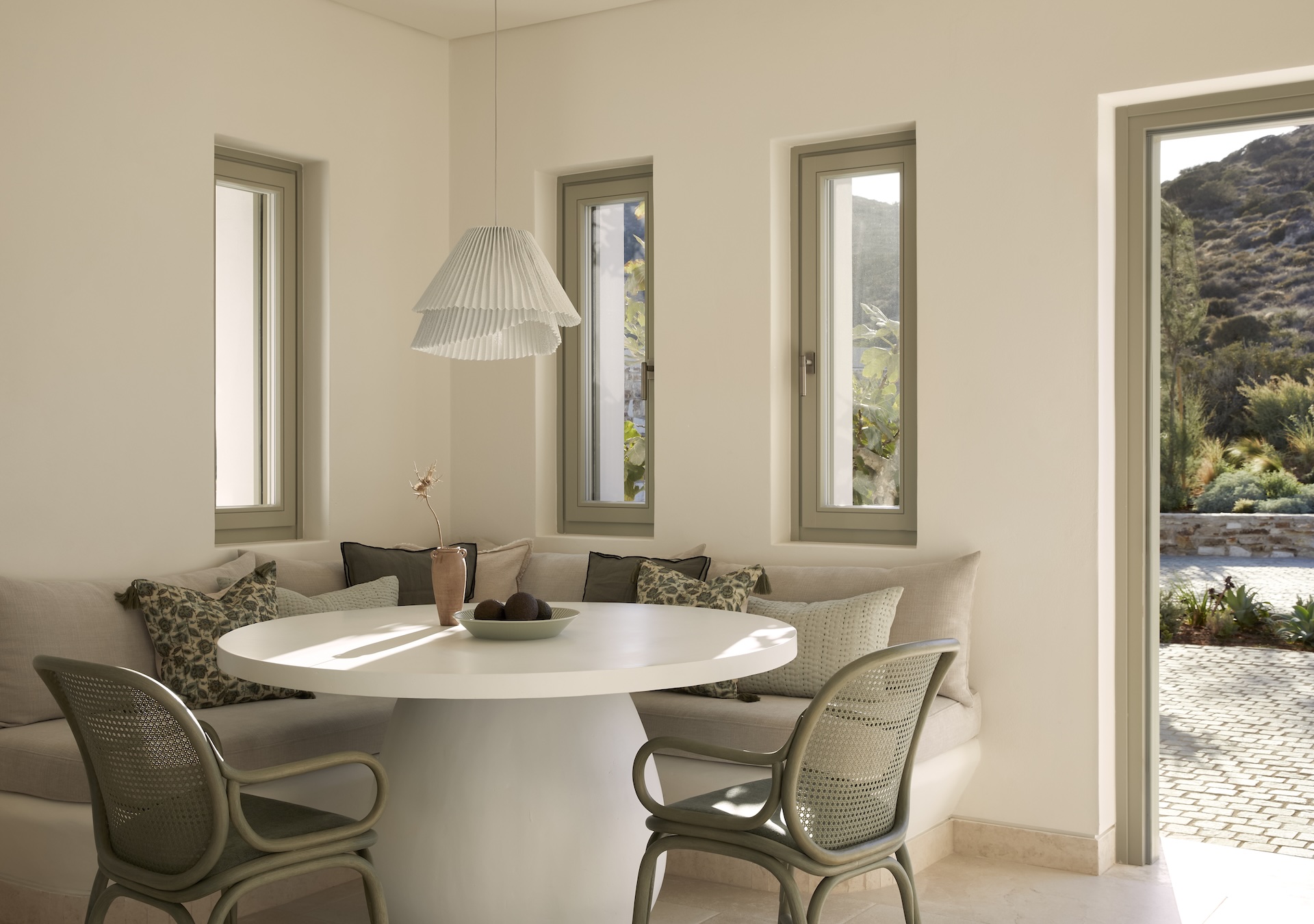
In a high-demand residence, thermal insulation is not judged solely by the insulation of the walls or the quality of the roof. It is also judged at the openings — where energy loss, the sensation of cold, and moisture infiltration become immediately noticeable in everyday use. For this reason, when examining wooden frames, the goal is not simply a “beautiful” window, but a complete construction that combines material, design, glazing, and proper installation.
Wood naturally possesses very good insulating properties. However, this alone is not enough to ensure high energy performance. The real quality of a wooden frame comes from how all its individual components have been designed and built — from the cross-section of the sash and frame to the sealing gaskets, hardware, and energy-efficient glass.
Wooden frames and thermal insulation — what it means in practice
In practice, thermal insulation means limiting heat transfer from the interior to the exterior and vice versa. A frame with high thermal insulating capacity helps maintain a stable indoor temperature, reduces the strain on heating and cooling systems, and noticeably improves the sense of comfort near the opening.
Especially in homes with large openings, in country houses exposed to strong winds, or in projects with elevated architectural demands, the choice of frames cannot be made on appearance alone. Thermal performance affects both the functionality of the space and the long-term value of the property.
It is also worth making a distinction. There is a difference between the theoretical performance of a product and its actual behavior on site. A frame may have excellent technical specifications on paper, but if it has not been correctly selected for the opening, or if the installation is not of an equivalent standard, the result falls short of expectations.
What determines thermal performance
The performance of a wooden frame depends on a combination of parameters. First comes the quality of the timber and the construction itself. Properly processed, stabilized timber offers structural integrity, precision in joints, and consistent behavior over time. This is directly related to airtightness and thermal insulation, as manufacturing tolerances must remain controlled.
Equally critical is the cross-section of the frame. A more reinforced profile allows for better integration of hardware and glazing units, while contributing to overall thermal behavior. It is not always a matter of “the thicker, the better.” It is a matter of correctly designing the cross-section in relation to the size of the opening, the building’s exposure, and the desired aesthetic result.
The perimeter sealing gaskets also play a crucial role. This is typically where airtightness is determined — that is, the frame’s ability to limit uncontrolled air infiltration. In many homes, what the occupant perceives as “poor insulation” is in reality inadequate sealing, and not just low thermal resistance of the material.
The role of energy-efficient glazing
In a modern frame, a large part of the overall performance depends on the glazing unit. The wooden frame may be excellent, but if combined with unsuitable glazing, the final result will be mediocre. For this reason, when examining high-specification solutions, energy-efficient double or triple glazing units are an essential part of the construction, not a secondary choice.
The selection of the appropriate glass depends on the project. In a residence in Attica, the requirements differ from those of a mountain home or a coastal construction with intense exposure. What matters is the thermal transmittance coefficient, the solar factor, sound insulation, and the total weight the frame must support.
Moderation is needed here. A triple glazing unit, for example, is not automatically the right solution for every project. In certain cases it is absolutely appropriate. In others, a very good energy-efficient double glazing unit can offer an excellent balance between performance, aesthetics, functionality, and weight.
The importance of precise construction detail
High-specification wooden frames are distinguished by their detail. Precision in joinery, quality of hardware, protection of the timber, and finishing affect not only the appearance but also the long-term behavior of the system.
A properly constructed wooden window must withstand thermal expansion, changes in humidity, and frequent use without losing its functional precision. When the sash fits correctly in the frame, when the hardware operates smoothly, and when the surfaces are effectively protected, the thermal insulation remains consistent over time and is not limited to the first years of use.
This is also the point where premium solutions are distinguished from merely expensive ones. A high price alone does not guarantee performance. What guarantees it is consistency throughout the entire chain — from the selection of raw materials to the final installation on site.
Thermal insulation and installation — the most common point of failure
Even the best frame can lose a significant part of its value if the installation is inadequate. The connection of the frame to the masonry, the perimeter sealing, and correct bedding directly affect airtightness, water tightness, and overall energy performance.
In high-demand projects, installation must not be treated as a routine final stage. It is a technical matter with a direct impact on system performance. Minor failures in joints, slopes, or sealing materials lead to thermal bridges, condensation, or a sense of drafts — even when the product itself is constructively sound.
For this reason, evaluating a supplier should not be limited to the frame sample. It must also include their capacity to support correct application on site.
Where wooden frames excel
Wood excels because it combines natural insulating capacity, high aesthetic quality, and the potential for construction customization. In residences where architectural coherence carries weight, as well as in renovation projects or non-standard dimensions, it offers solutions that are difficult to achieve with standardized systems.
At the same time, the feeling it offers in the interior is qualitatively different. This is not just a matter of appearance. Wood functions as a material with a warm presence, integrating into the space in a more gentle and natural way. In a high-aesthetic residence, this has genuine significance.
There are, of course, prerequisites. Wooden frames require proper construction, reliable finishing, and professional support. They are not aimed at those who choose based solely on the lowest cost. They are aimed at those who evaluate performance, durability, and architectural quality as a unified whole.
How to properly evaluate a wooden frame proposal
A proper evaluation starts with technical data, but does not end there. One must examine the overall thermal transmittance coefficient of the frame, the quality of the glazing, airtightness, wind resistance, certifications, and the suitability of the system for the specific project.
An architect or a discerning owner should request a clear picture of exactly what is being proposed: the construction series, the cross-section, the type of timber, the glass specification, the method of protection, and who is responsible for installation. The more complex the project, the more important this transparency becomes.
In this context, a specialized Greek company such as HAUFEN® offers value not only through its product, but also through its ability to connect design, construction, and application within a unified logic of quality. This is particularly important in premium aesthetic residences, in large openings, and in projects where attention to detail admits no errors.
The right choice of frames is not made to meet a current need. It is made to serve a building for many years, with consistent performance, functional comfort, and aesthetic coherence. When wooden frames have been properly designed and built, thermal insulation ceases to be a theoretical advantage and becomes a daily experience of quality within the space.