
The Cost of Wooden Windows
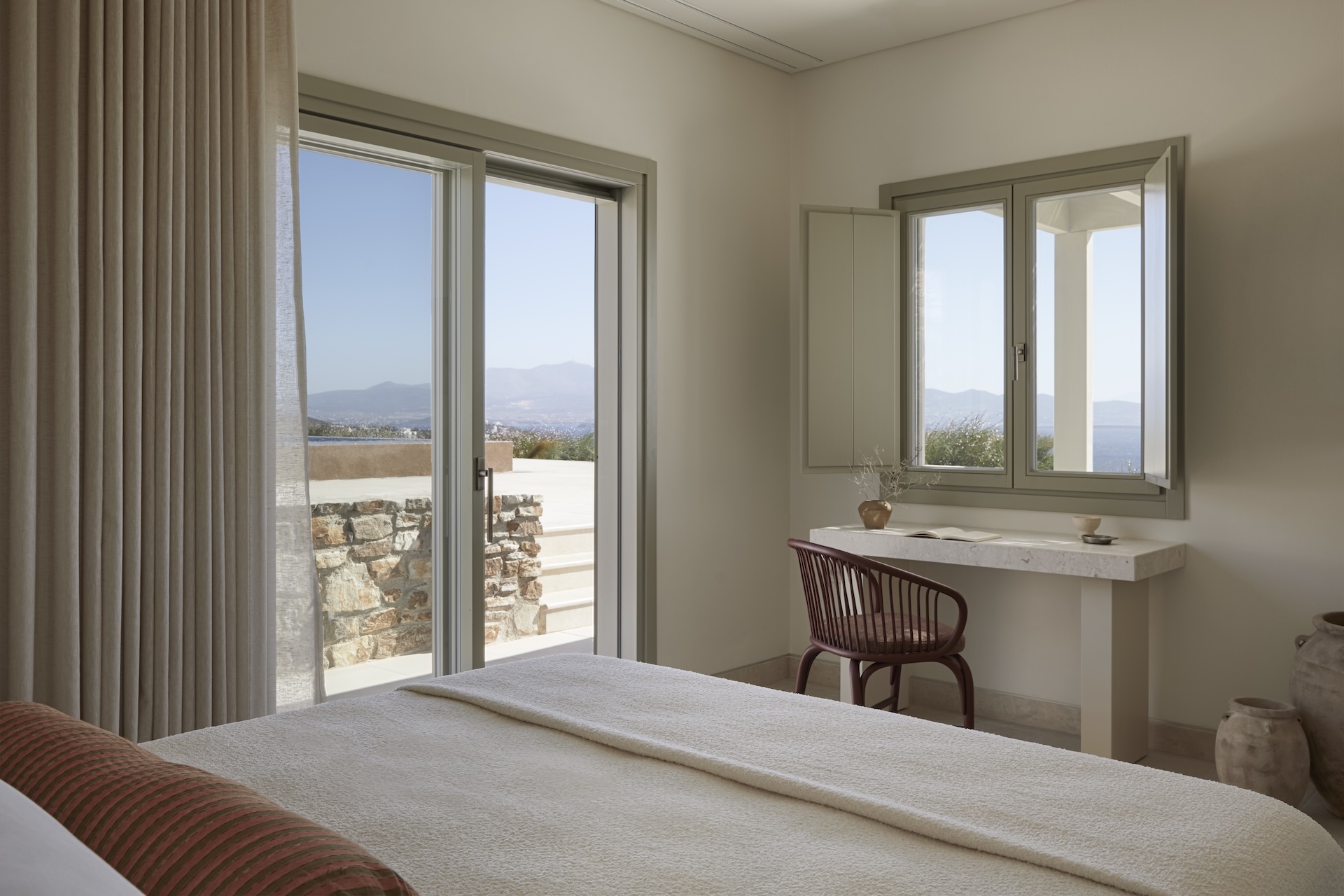
When two seemingly identical frames have a noticeable price difference, the explanation is never found in a single factor. The cost of wooden frames is shaped by a set of technical choices that directly affect performance, lifespan, and the final architectural result. This is why a serious evaluation cannot be limited to price per square meter.
In practice, the owner or designer isn’t simply buying a wooden frame. They’re choosing a system that must meet requirements for thermal insulation, waterproofing, wind resistance, security, aesthetic consistency, and everyday functionality. The price, therefore, reflects the project’s specifications — not just the material.
What Determines the Cost of Wooden Frames
The first variable is the construction itself. A high-spec wooden frame is not a simple carpentry application, but a technologically demanding product with precise tolerances, hardware, sealing gaskets, quality finishes, and energy-efficient glazing. The more complete the system, the greater the investment.
Equally important is the project category. A primary urban residence has different requirements than a seaside home with heavy exposure to moisture and wind, or a historic building restoration where the frame must combine modern performance with architectural sensitivity. The same applies to hotel or commercial projects, where frequency of use and uniformity requirements raise the technical bar.
Timber Species and Processing Quality
The choice of timber substantially affects the price. Not all wood species have the same density, stability, or behavior under temperature and humidity changes. The quality of the raw material, the correct drying level, and the method of lamination and processing are factors that aren’t always visible at first glance, but determine the long-term behavior of the frame.
In a premium product, timber isn’t chosen just for its appearance. It’s chosen for structural reliability, precision machinability, and compatibility with finishing systems that protect the material over time. This quality increases the upfront cost, but reduces the risk of warping, failure, or premature deterioration.
Glazing and Energy Performance
A large part of the total value lies in the glass unit. The choice of double or triple energy glazing, low-emissivity coatings, acoustic performance, solar control, and thermal break spacers all significantly affect the final cost. This is not a secondary detail — it’s a critical component of the frame.
In a high-demand residence, the criterion isn’t just that the opening closes properly. The goal is to minimize heat loss in winter, overheating in summer, and external noise year-round. When glazing is selected based on orientation, altitude, exposure, and room use, the cost adjusts accordingly — but the overall project performance improves substantially.
Why a General Price Per m² Is Not Enough
Price per square meter can only serve as a very rough indicator. It doesn’t capture the opening type, profile thickness, sealing levels, glass weight, operating hardware, or installation requirements. Two frames with the same area can have entirely different technical compositions.
This is why, in projects taken seriously, pricing is based on a complete technical specification — not on general averages. The right study comes before the right price.
Dimensions, Design, and Opening Type
The geometry of the frame significantly affects cost. Large openings require reinforced construction, stronger hardware, and often special weight management. A composite frame with fixed and operable sections, multiple divisions, or custom corner solutions is clearly more demanding than a standard window.
The operating mechanism is equally decisive. A simple casement has a different cost than a large sliding door with high sealing and smooth-gliding requirements. There, the quality of the hardware isn’t a luxury — it’s a prerequisite for comfortable use and long-term reliability.
Finish, Paint, and Aesthetic Result
In wooden frames, the finish isn’t just about appearance. The paint system acts as protection against solar radiation, moisture, and general environmental stress. The quality of the coating materials, the number of layers, and proper surface preparation directly affect both durability and cost.
Special color tones, transparent or opaque finishes, and the need for absolute color consistency across large projects all increase production complexity. The same applies when the frame must integrate into a distinctive architectural language — whether a contemporary residence or a traditional building with strict morphological constraints.
Installation Is Part of the Cost and Quality
A well-crafted frame can be undermined by a mediocre installation. This is why installation should not be treated as a separate, secondary service. Proper seating, alignment, joint sealing, and compatibility with the masonry determine whether the product performs as designed.
In demanding projects, installation costs are affected by accessibility, height, structural particularities, and coordination with other trades. In renovations or listed buildings, installation carries even greater weight — requiring precision, experience, and adaptability to the existing structure’s characteristics.
What the Client Is Really Paying For
The essential difference between an economy solution and a quality wooden frame isn’t just the material. It’s the totality of engineering, processing, performance, and project support. The client pays for better thermal behavior, higher weather tightness, smoother operation, longer service life, and a clearly superior aesthetic result.
In many cases, the initially lower price proves more expensive in the long run. If a frame falls short in finish, hardware, or manufacturing precision, the cost of maintenance, adjustment, or replacement arrives sooner than expected. By contrast, a quality solution has a higher upfront budget but better supports the property’s value and the overall living experience.
Wooden Frames and Property Value
In premium residences and architecturally demanding projects, frames aren’t a commodity. They actively contribute to the image, energy behavior, and perceived quality of the property. The right wooden frame reinforces the character of the home and adds depth that is difficult to replicate with standardized solutions.
This is particularly significant for owners investing in villas, holiday homes, or high-aesthetic projects. The choice is judged not only on present cost, but on how the product will hold up years later — both functionally and visually.
How to Properly Evaluate a Quote
A serious quote must clearly describe the timber, profile section, glazing type, hardware, finish, and installation. If these are not detailed explicitly, comparing prices is misleading. The cheaper quote may simply be based on lower specs that aren’t visible on first reading.
It’s also worth examining whether the solution is genuinely appropriate for the specific project. A seaside home, a villa with large openings, or a neoclassical restoration don’t share the same technical needs. The value lies in the correct matching of specifications to use — not in a blanket, one-size-fits-all price.
This is precisely where expertise makes the difference. A company like HAUFEN®, with years of focus on high-specification wooden frames, approaches cost as the result of technical study rather than a simple commercial offer. For clients who prioritize quality, this distinction is essential.
The right question, ultimately, is not what a wooden frame costs in general — but what it needs to deliver for your specific project, and whether the solution you choose has the manufacturing quality to support it over time.